

The Appeal of Chance and Uncertainty
The allure of casino games largely stems from the elements of chance and uncertainty they provide. Players are drawn to the exhilarating possibility of winning big, often despite the odds being stacked against them. This unpredictable nature creates an exciting atmosphere, triggering a rush of adrenaline similar to that experienced in extreme sports. Each roll of the dice or flip of a card holds the potential for a life-changing moment, keeping individuals engaged and eager for more. In this thrilling environment, a player might even prefer a secure online casino with fast withdrawal options that enhances their experience, as the thrill of uncertainty can be a powerful motivator, drawing individuals into a world where the outcomes are often unpredictable yet tantalizingly close.
Moreover, this unpredictability is often coupled with a perceived sense of control that players believe they possess. Many games, such as poker and blackjack, allow players to employ strategies and make choices that can influence the outcome. This illusion of control can be incredibly enticing, as it gives players a rationale to continue playing, believing that their skill or decision-making prowess can lead them to success. In reality, while skill certainly plays a role in certain games, the fundamental nature of these games still relies heavily on luck, creating a complex psychological dynamic that keeps players returning for more.
Psychologically, the combination of chance and perceived control can create a feedback loop that reinforces player behavior. When players experience wins, whether large or small, it reinforces their engagement and encourages them to keep playing. This phenomenon is known as “variable reinforcement,” which is particularly effective in maintaining interest. The brain releases dopamine, a neurotransmitter associated with pleasure, during these winning moments, thereby reinforcing the desire to continue playing even in the face of losses. This intricate interplay highlights how psychological principles can be leveraged to enhance the allure of gambling.
The Role of Environment and Design
The environment within a casino is meticulously designed to enhance the gaming experience and encourage prolonged play. From the vibrant colors and exciting sounds to the strategic layout of the gaming floor, every element is crafted to stimulate the senses and maximize excitement. For instance, the sound of coins clinking or slot machines ringing creates an atmosphere that can induce feelings of euphoria, compelling players to stay engaged for longer periods. The sensory overload is not accidental; it is a calculated approach to immerse players in a world of excitement.
Human psychology responds vividly to sensory stimuli, which is why casinos often avoid clocks and windows. By creating a space that feels detached from the outside world, players lose track of time, often spending more hours than they initially intended. The use of soft lighting, comfortable seating, and enticing decorations further contributes to a calming yet exhilarating environment that invites players to immerse themselves in the experience. Each aspect of the design works to keep players inside, creating an almost hypnotic effect that encourages extended gaming sessions, ultimately contributing to the casino’s bottom line.

Moreover, the layout of games within a casino encourages exploration and discovery, prompting players to try different machines or tables. This design aspect also plays into the psychological notion of scarcity and urgency by featuring high-stakes games in more visible areas, enticing thrill-seekers to participate. The overall design of a casino taps into a range of psychological triggers, shaping how individuals engage with games and ultimately influencing their gambling behavior in profound ways. The strategic placement of games and amenities is not merely aesthetic; it is a carefully orchestrated effort to maximize player engagement and retention.
The Illusion of Skill and Strategy
Many players engage in casino games believing that their skill or strategy will lead them to victory. Games like blackjack and poker are often perceived as skill-based, where players think they can outsmart the game or their opponents. This belief can foster a sense of empowerment, as players feel that they can control outcomes through their knowledge and tactics. However, this perception is often misleading, as chance still plays a significant role in these games, creating a disconnect between belief and reality that can lead to poor decision-making.
Furthermore, the concept of “near misses” plays a crucial psychological role in gambling. Near misses occur when players come close to winning but ultimately fall short. These experiences can lead to increased motivation to continue playing, as players might think that they are on the cusp of a win. This phenomenon can be particularly evident in slot machines, where players often feel encouraged to spin again after a near miss, believing that they are closer to achieving that elusive jackpot. This misinterpretation can lead to a cycle of continued play fueled by hope rather than rational decision-making, illustrating the psychological traps players can fall into.
The belief in skill and strategy fuels a cycle of ongoing participation, where players rationalize their losses and convince themselves that they can improve their odds with further play. This cognitive dissonance can lead to chasing losses, where players become trapped in the mindset that the next game could be the turning point. Understanding the psychology behind these beliefs can help players recognize the fine line between entertainment and compulsive behavior, allowing for a more mindful approach to gambling that prioritizes enjoyment over obsession.
The Social Aspects of Gambling
The social dynamics of casino gaming significantly influence player behavior. For many individuals, casinos are not just places to gamble; they serve as social venues where people gather for entertainment and camaraderie. Games like poker facilitate interaction, as players compete against one another while sharing stories and strategies. This socialization can heighten the enjoyment of the game, transforming it from a solitary endeavor into a communal experience that fosters relationships and shared excitement. The ability to connect with others adds a layer of enjoyment that is unique to the casino environment.
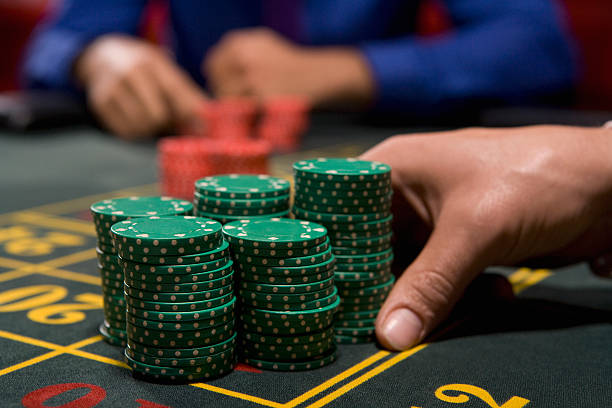
Moreover, the concept of “peer influence” is prevalent in casino environments. Observing others win can trigger a desire to participate, creating an immediate sense of urgency among players. The social aspect can also perpetuate riskier behavior, as individuals may feel compelled to keep up with friends or peers, leading them to make choices they might not consider when playing alone. This sense of belonging can be intoxicating, encouraging longer periods of play than individuals might have initially intended, reflecting the powerful influence of social dynamics on gambling behavior.
Lastly, the role of social media in modern gambling cannot be understated. Online platforms enable players to share their experiences, victories, and losses with a broader audience, further enhancing the social aspect of gaming. Players might feel more compelled to engage in gambling strategies they see promoted by others online, thus blurring the lines between entertainment and competition. The social elements surrounding casino games can significantly impact player behavior and the overall psychology of gambling, illustrating the intersection of community and individual choice in this complex realm of entertainment.
Understanding Your Gambling Behavior
Understanding the psychology behind casino games is vital for players seeking to engage responsibly and enjoyably. By acknowledging the myriad factors influencing their behavior—such as the thrill of chance, environmental design, feelings of skill, and social pressures—players can gain valuable insights into their motivations and decision-making processes. This awareness can empower individuals to make more informed choices while gambling, enhancing their ability to enjoy the experience without falling into harmful patterns. Knowledge is a powerful tool in navigating the complexities of gambling.
For individuals who find themselves drawn to casino games, establishing personal limits is crucial. Setting a budget, creating time constraints, and being mindful of emotional responses during play can enable players to enjoy the experience without succumbing to excessive gambling. Additionally, recognizing the signs of problematic gambling behavior early on can help individuals seek support and maintain a healthy balance in their gaming habits. Developing a proactive approach to gaming can mitigate risks and enhance enjoyment, allowing individuals to engage with the games in a way that prioritizes their well-being.
Lastly, understanding the psychological underpinnings of gambling can promote conversations about responsible gaming practices. Sharing knowledge about the potential pitfalls can foster a culture that values enjoyment without the risk of harm. Whether you’re a casual player or a more serious gambler, embracing a well-rounded understanding of the psychology behind casino games can lead to a more fulfilling and responsible gaming experience overall. It is essential to ensure that the thrill remains a source of joy rather than a path to distress, cultivating a healthy relationship with gambling.